
The last time humans went to the moon, the prize was a flag and a footprint. This time, the prize is buried in the shadows of the lunar south pole: millions of tons of water ice, trapped in craters that have not seen sunlight in billions of years. That ice is drinking water, breathable oxygen, and, split into hydrogen and oxygen, rocket fuel. Whoever controls it controls the logistics of the inner solar system.
NASA's Artemis program aims to establish a sustained human presence at the south pole. China has its own plans for the same region. And for the first time, private companies are in the mix, selling mining, transport, and construction as services. The new moon race is not about who lands first. It is about who gets to dig.
The resource map
The moon's inventory reads like a prospector's dream. Water ice at the poles, in quantities measured in the millions of tons. Helium-3, vanishingly rare on Earth but potentially valuable as a fusion fuel, embedded throughout the regolith. Rare earth elements and platinum-group metals, concentrated by ancient asteroid impacts. Even the moondust itself is useful: regolith can be baked into bricks, 3D-printed into habitats, and processed for oxygen.
The south pole is the prime real estate because of the ice, and because nearby peaks enjoy near-constant sunlight for solar power. It is the rare combination of resources and energy that makes a permanent base viable. Everyone who is serious about the moon wants the same few square kilometers.
Who's racing
Enjoying this story?
Get the five most important stories in tech, every morning. Free.
NASA's Artemis program is the most advanced effort: crewed landings, the Lunar Gateway station in lunar orbit, and plans for a permanent base camp at the south pole. Through the Artemis Accords, the United States has assembled a coalition of partner nations committed to shared norms for lunar activity.
China, through its national space agency, is pursuing its own crewed lunar program with international partners, targeting the same south pole region on a roughly similar timeline. Then there is the commercial layer: companies building landers, rovers, and prospecting tools, funded by government contracts and private capital alike. The economics of lunar mining are unproven, but the investment is very real.
The last moon race was about proving we could go. This one is about proving we can stay, and profit.
The law hasn't caught up
The Moon's Resource Jackpot
What prospectors hope to find, and why the south pole is prime real estate.
Note: Figures are illustrative, not surveyed reserves.
The 1967 Outer Space Treaty says no nation can claim sovereignty over the moon. But it was written before anyone seriously contemplated mining it, and it is vague on resource extraction. The Artemis Accords propose modern norms: transparency, safety zones around operations, and the affirmation that extracting resources is permitted. Not every spacefaring nation has signed on, and interpretations differ.
The result is that the rules for lunar mining are being written right now, largely through precedent rather than treaty. Every landing site selected, every resource extracted, every operational zone declared will shape what counts as acceptable. Lawyers call this customary practice. Prospectors would call it staking claims.
Footprints vs. mining claims
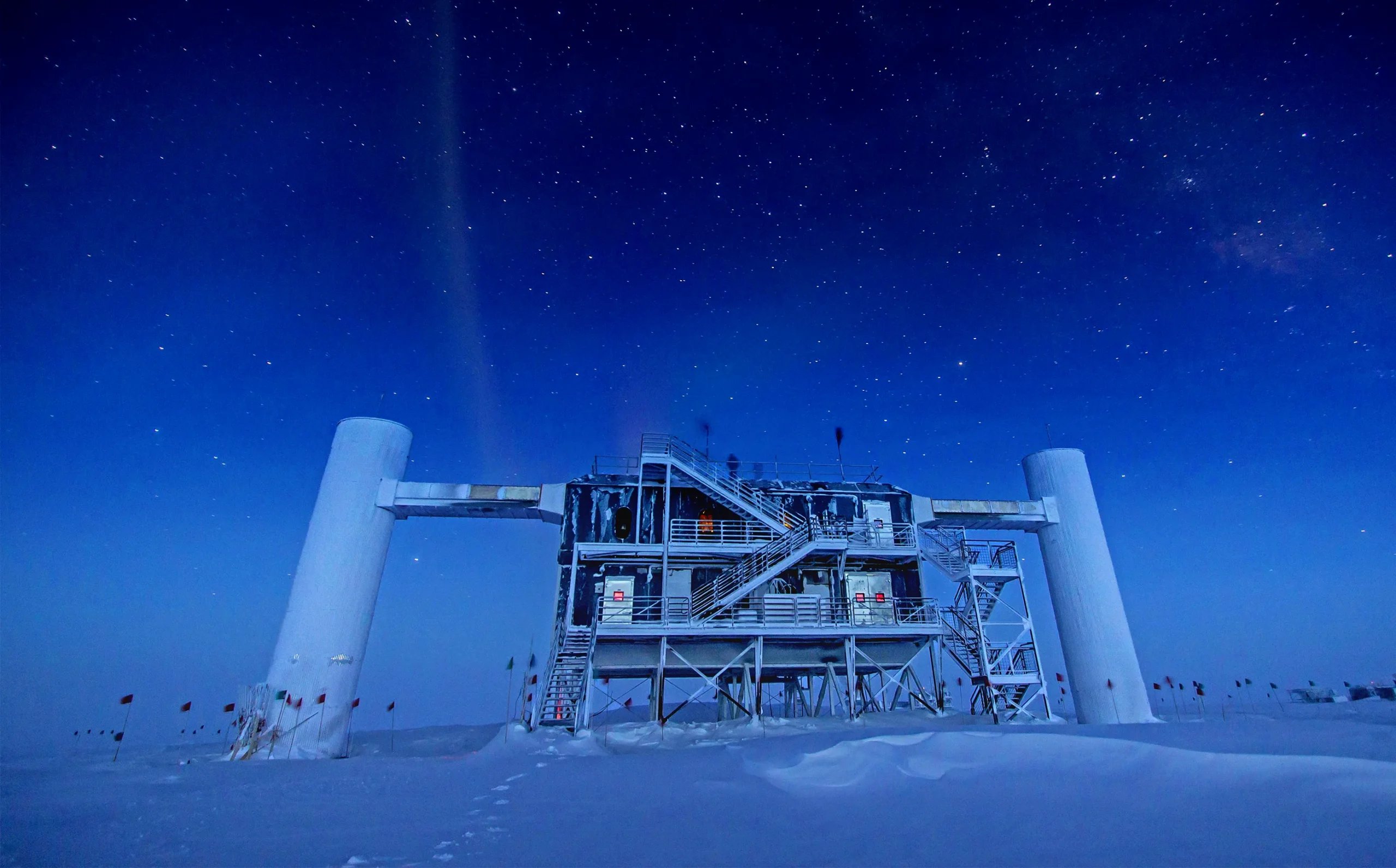
There is a poetic symmetry here. The Apollo footprints will last a million years because there is no wind on the moon to erase them. The new missions will leave something more consequential: mines, landing pads, fuel depots, and legal precedents.
The question is no longer whether humanity returns to the moon. It is on whose terms. The nations and companies that establish operations first will shape the economy of cislunar space for a century, deciding who profits, who sets standards, and who gets left watching from Earth. The footprints were symbolic. The mining claims will be anything but.
248 Comments