
Your left hand is a mirror image of your right, but no amount of rotating will make one fit a right-handed glove. Molecules have the same problem. Many of the molecules your body runs on, including most drugs, come in left- and right-handed versions called enantiomers. They look identical on paper. But your body, itself built from handed molecules, can tell them apart instantly. One version heals. The mirror version might do nothing, or worse.
On October 7, the Nobel Prize in Chemistry went to two scientists who solved this problem: Henri Kagan of France and Kenso Soai of Japan, honored for asymmetric catalysis, methods that force chemical reactions to produce one mirror image instead of a useless fifty-fifty mix. Their work underpins the manufacture of countless modern medicines. And in a detail too good to invent, Soai learned he had won while out grocery shopping.
The mirror problem
The stakes of molecular handedness became tragically clear in the 1960s with thalidomide. One enantiomer was an effective sedative for morning sickness. Its mirror image caused devastating birth defects. The drug was sold as a mixture, and thousands of children were harmed before the connection was understood.
The lesson was seared into chemistry: when molecules have handedness, you must control which hand you make. But for decades, chemists mostly could not. Standard reactions produce both mirror images in equal amounts, and separating them afterward is expensive, wasteful, and sometimes impossible at industrial scale.
One mirror image heals. The other might do nothing, or worse. Chemistry had to learn to pick a side.
Kagan's catalysts
Enjoying this story?
Get the five most important stories in tech, every morning. Free.
Henri Kagan's breakthrough, beginning in the 1970s, was to design catalysts, molecules that speed up reactions without being consumed, with handedness built in. A chiral catalyst acts like a molecular mold: it grabs the starting materials and holds them in an orientation that favors one mirror image over the other.
Kagan's early catalysts achieved something previously thought impractical, producing overwhelmingly one enantiomer in reactions that mattered for drug synthesis. The concept launched a field. Today, asymmetric catalysis is a standard tool in every pharmaceutical company's arsenal, used to manufacture drugs more cleanly, cheaply, and safely.
Soai's strange reaction
Asymmetric Catalysis: A Nobel Timeline
From tragedy to triumph in molecular handedness.
Note: For illustrative purposes only.
Kenso Soai discovered something even stranger. In the 1990s, his team found a reaction that amplifies its own handedness: a tiny initial excess of one enantiomer gets multiplied as the reaction proceeds, the product catalyzing its own formation. It is called asymmetric autocatalysis, and it is the only known chemical reaction that does this.
The implications go beyond manufacturing. One of the deepest mysteries in science is why life itself is handed: every protein in your body uses left-handed amino acids, every DNA helix twists right. Soai's reaction is a plausible model for how a tiny initial imbalance in the primordial world could have snowballed into the handedness of all biology.
Why your medicine cabinet depends on this
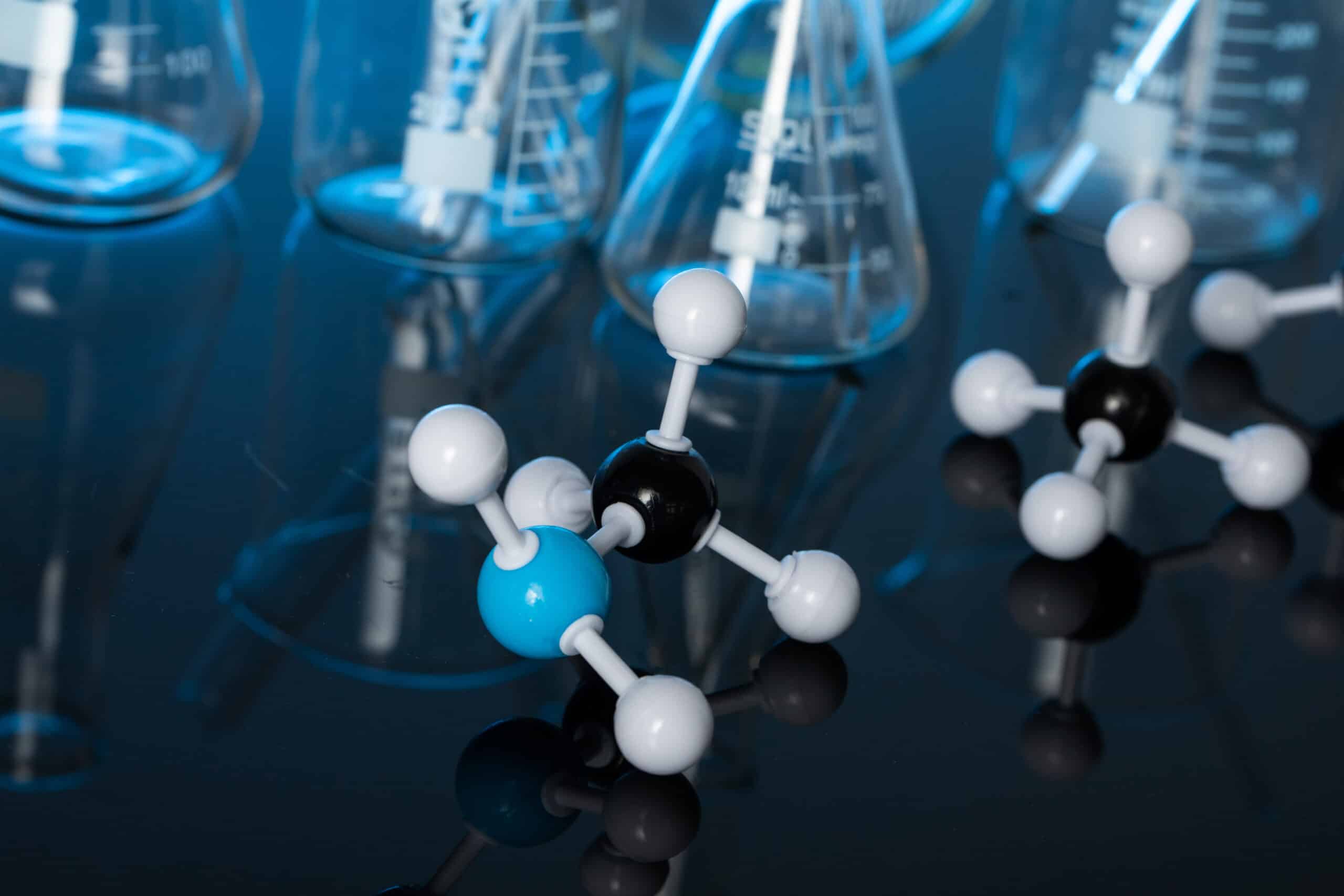
Walk through a pharmacy and you are walking through Kagan and Soai's legacy. Modern drugs are overwhelmingly single-enantiomer products, made that way by asymmetric catalysis. The methods are greener too: instead of making both mirror images and throwing half away, chemists now make only the one they want, cutting waste and cost.
The Nobel committee specifically cited the work's benefit to humanity, and it is hard to argue. Millions of patients take drugs every day whose safety and efficacy depend on chemistry picking the right hand. As for Soai's grocery run: he reportedly finished shopping before celebrating. Some Nobel laureates pop champagne. He bought dinner.
95 Comments